Best Time of Year for House Washing in Melbourne's Bayside
Melbourne's Bayside suburbs, including Brighton, Sandringham, Hampton, Beaumaris, Black Rock, Cheltenham and Mentone, have a distinctive coastal environment that affects how quickly homes get dirty and when exterior cleaning works best. Salt-laden air, variable weather, moisture, and mature gardens all influence the condition of your home's exterior. Choosing the right time of year for house washing can improve results, protect surfaces, and make the job more comfortable and cost-effective.
This guide explains how Bayside's climate and seasons affect exterior cleaning, which months suit different tasks, and how to build a sensible maintenance schedule for your property in 2026 and beyond.
Understanding Melbourne Bayside's Climate
Melbourne is famous for "four seasons in one day," and the Bayside area has its own microclimate on top of that. Proximity to Port Phillip Bay moderates temperatures slightly compared with inland suburbs, but it also brings higher humidity, sea breezes, and airborne salt, particularly along Beach Road and the foreshore streets.
Key climate factors that affect house washing include:
- Salt spray and coastal air: Salt deposits settle on walls, windows, fascias, and roofing, which can accelerate corrosion and leave a dull, chalky film.
- Moderate rainfall spread across the year: Melbourne receives rain in every season, with winter and spring generally wetter. Persistent dampness encourages mould, algae, and lichen.
- Warm, dry summers: Hot northerly winds and low humidity dry surfaces quickly, which is useful for cleaning but can cause detergents to dry too fast if not managed properly.
- Shaded, leafy streets: Many Bayside properties have established trees that drop leaves, sap, and pollen, and keep walls and roofs damp for longer.
Why Timing Matters for House Washing
Timing affects more than convenience. The season can influence how effective the cleaning is, how long the results last, and how safe the work is for your property and garden.
Drying Conditions
Surfaces need to dry after washing, especially if you plan to paint, seal, or apply a protective coating. Mild, dry days with light wind allow surfaces to dry evenly. Very hot, windy days can cause cleaning solutions to evaporate before they have worked, while cold, damp days slow drying and may leave streaks or leave surfaces damp for longer.

Mould and Algae Growth Cycles
Mould, algae, and lichen thrive in damp, cool, shaded conditions. In Bayside, growth usually accelerates through autumn and winter and peaks in late winter to early spring. Cleaning in spring removes the winter build-up, while a second clean in autumn helps remove summer dust, salt, and pollen before the wet months begin.
Comfort and Safety
Working at height on roofs or tall walls is safer in dry conditions without strong wind or slippery surfaces. Extreme summer heat can also make roof surfaces dangerous to work on, while wet winter conditions make roofs and paths slippery.
Season-by-Season Guide for Bayside Homes
Spring (September to November): Generally the Best Overall
For most Bayside homes, spring is the ideal season for a full exterior clean. Temperatures are mild, days are lengthening, and the surfaces that have collected moisture and growth over winter can finally dry out properly.
Benefits of spring cleaning include:
- Removal of winter mould, algae, and lichen before they become entrenched
- Mild temperatures that suit detergents and rinsing
- Good preparation ahead of outdoor entertaining season
- Ideal conditions for repainting, sealing, or resealing afterwards
- Gardens are growing but not yet at peak, making it easier to protect plants
One consideration is pollen. Spring winds can deposit pollen and blossom debris soon after cleaning, so a light rinse later in the season may be useful for homes surrounded by trees.
Summer (December to February): Good for Quick Drying, With Caveats
Summer offers reliable dry weather, which makes it convenient for pressure cleaning of concrete, pavers, and driveways. Surfaces dry quickly and results are visible straight away.
However, there are challenges:
- Hot surfaces can cause cleaning solutions to dry too quickly, so early morning or late afternoon work is preferable.
- Total fire ban days and water restrictions may affect scheduling or water use, so it is worth checking current Victorian and local water authority guidance.
- Roof work is safer in the cooler parts of the day.
- Summer is a busy period for exterior cleaners, so bookings fill up quickly, especially before Christmas and the holiday period.
Summer is an excellent time to clean before hosting events, selling a property, or preparing for guests, as long as work is planned around temperature and wind.
Autumn (March to May): Ideal for Preventive Cleaning
Autumn is a strong second choice and is often the best time for preventive maintenance. The weather is typically stable in March and April, with milder temperatures and less intense sun than summer.
Cleaning in early autumn removes salt, dust, and pollen from summer, and helps reduce the food source for mould and algae before the wet season. This is also a good time for roof cleaning and gutter clearing before leaves accumulate and winter storms arrive.
Try to schedule work before the heavy leaf fall, or plan to clear gutters after cleaning so debris does not undo the results.
Winter (June to August): Possible, But Less Ideal
Winter is the least convenient season for exterior cleaning in Bayside. Shorter days, cool temperatures, and frequent rain slow drying and can limit working windows. That said, winter cleaning is still possible on clear, dry days, and it can be useful for removing slippery growth from paths, steps, and driveways https://hectoroysx975.northstarcolumn.com/posts/how-to-prep-your-driveway-cleaning-for-bayside-weather that pose a safety hazard.
If you choose winter, expect:
- Longer drying times for walls, decking, and paving
- More rescheduling due to weather
- Faster regrowth of algae in shaded areas
- Reduced effectiveness for any surface treatments that need dry conditions
Timing by Surface and Service Type
House Washing (Walls and Cladding)
Soft washing of rendered walls, weatherboards, brick, and cladding works best in mild, dry weather. Spring and early autumn are the best periods. Coastal properties often benefit from rinsing salt deposits every six to twelve months, as salt can dull paintwork and shorten finish life.
Roof Cleaning
Roof cleaning is best done in dry, calm weather outside the hottest days. Early autumn and spring are ideal. Tiles and metal roofs both accumulate lichen, moss, and salt, and cleaning before winter helps reduce moisture retention. Professionals typically use low-pressure methods and appropriate treatments, as aggressive high-pressure cleaning can damage tiles, dislodge granules, and force water under roof coverings.
Driveway Cleaning and Paving
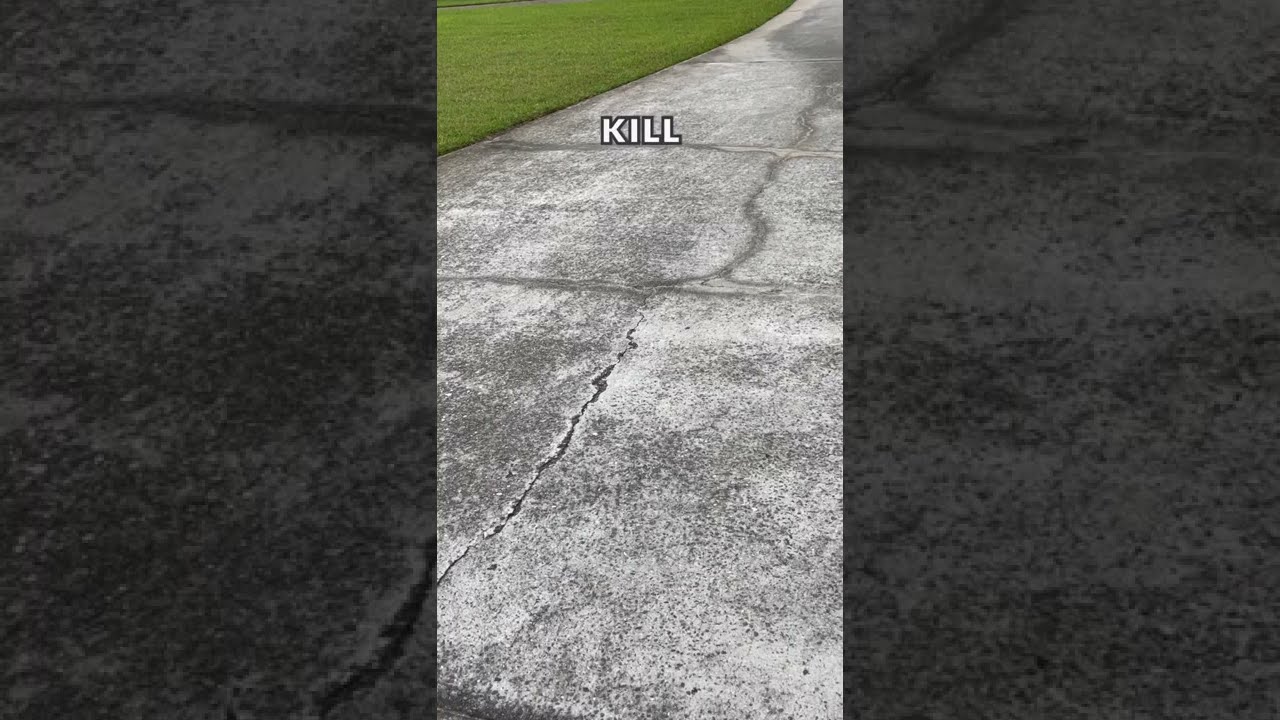
Concrete, pavers, and exposed aggregate respond well to pressure washing at almost any time of year, provided surfaces can dry afterwards. Summer and spring are the most convenient seasons, and cleaning ahead of sealing is best done in settled weather with several dry days forecast.
Decks, Fences, and Outdoor Areas
Timber decks and fences benefit from cleaning in late spring or early summer, so they have time to dry before staining or sealing. Attempting to seal damp timber can trap moisture and lead to premature failure of the coating.

How Often Should Bayside Homes Be Washed?
The right frequency depends on how close you are to the water, how much shade your property receives, and the materials used. As a general guide:
- Beachfront and near-coastal homes: Wash exterior walls and windows every 6 to 12 months to manage salt build-up.
- Typical suburban homes: A full house wash every 12 to 18 months is usually sufficient.
- Shaded or heavily treed properties: Consider annual cleaning, with targeted spot treatment for mould-prone areas.
- Roofs: Inspect annually and clean when visible growth or heavy staining appears, typically every 3 to 5 years.
- Driveways and paths: Clean annually, or sooner where they become slippery.
Weather Factors to Check Before Booking
Regardless of season, certain conditions make exterior cleaning less effective or less safe. When scheduling power washing or soft washing, watch for:
- Strong winds: These cause overspray, drift onto neighbouring properties and cars, and make ladder work riskier.
- Imminent rain: Heavy rain soon after cleaning can wash dirt from gutters or upper surfaces back down onto cleaned areas, though light rain is usually not a problem.
- Extreme heat: Over 30°C, cleaning products dry too quickly and surfaces can streak.
- Freezing or very cold conditions: Rare in Bayside, but cold, damp days slow drying considerably.
Environmental and Regulatory Considerations
Bayside's proximity to Port Phillip Bay means stormwater drains lead directly to the bay. Wastewater from cleaning, including detergents, sediment, and removed contaminants, should not be allowed to flow into stormwater drains. Responsible operators in 2026 use appropriate containment, biodegradable products where suitable, and proper wastewater disposal, in line with EPA Victoria guidance and local council requirements.
Water use is another factor. Melbourne's water restrictions can change depending on storage levels, so it is sensible to check current rules with your water retailer. Efficient equipment, controlled flow rates, and soft washing techniques help reduce water consumption while still delivering good results.
Combining Services for Better Value
Scheduling several services in one visit can save time and often improves overall results. Many homeowners combine house washing, driveway cleaning, gutter clearing, and window cleaning in a single seasonal clean. Working from the top down, with roof first, then gutters, walls, and finally paths and driveways, prevents dirt from recontaminating finished areas.
Choosing Between DIY and Professional Cleaning
Hiring a hardware store machine for pressure cleaning may seem economical, but high pressure can damage render, strip paint, etch timber, force water behind cladding, and harm roof tiles. Working at height also carries real safety risks. Professionals typically assess each surface and choose a suitable method, whether low-pressure soft washing for painted walls and roofs or higher pressure for hard-wearing concrete.
Practical Tips to Prepare for Your Clean
- Close windows and doors, and cover or move delicate outdoor furniture and electrical outlets.
- Trim back overhanging plants so walls and roofs are accessible.
- Pre-wet or protect sensitive garden beds if cleaning products will be used nearby.
- Check forecasts for at least two dry days around your booking.
- Book early for spring and pre-summer, when demand is highest.
The Bottom Line
For most Melbourne Bayside homes, spring is the best time of year for a thorough exterior clean, followed closely by early autumn for preventive maintenance. Summer works well for hard surfaces when planned around heat and water restrictions, while winter is best reserved for urgent safety cleaning of slippery areas.
Because coastal conditions make salt, moisture, and organic growth a constant presence, a regular schedule matters more than a single perfect date. Cleaning once or twice a year, adjusting for your property's exposure and shade, will protect paint, roofing, and paving, maintain curb appeal, and help avoid more expensive repairs later. Planning ahead for the 2026 season, and into 2027, keeps your Bayside home looking its best all year round.
Bayside Pressure Cleaning Pros
Unit 3/3-5 Arnold St, Cheltenham VIC 3192
ph. (03) 4517 6380